A Dynamic Vision for Finnish STEM Education

Valokuvassa opettaja näyttää kahdelle alakouluikäiselle, miten USB-mikroskooppi toimii. He ovat luonnossa ja työskentelevät kannettavalla tietokoneella.

In May 2026, LUMA Centre Finland approved its renewed Vision and Strategy 2030. It is a forward-looking roadmap that redefines how science education can inspire, include, and empower the next generation across Finland. Built through extensive collaboration across the national LUMA network and aligned with key European and global competence frameworks, the strategy represents a holistic and systemic approach to STEM and STEAM education, where “A” stands for All Sciences.

A Living Strategy Built Together

The new strategy is not a static document. It is the result of broad co-creation, involving universities, schools, policymakers, and stakeholders from across sectors. It integrates national goals, such as Finland’s LUMA strategies and teacher education vision, with international frameworks, including digital, green, and emerging STEM competence models.

This collaborative process ensures that the strategy responds not only to current educational needs but also anticipates future challenges. It positions LUMA Centre Finland as an active builder of learning ecosystems rather than a single actor. It bridges research, education, and working life in a continuously evolving environment.

A Vision Rooted in Curiosity and Inclusion

At the heart of the vision is a simple but powerful idea: every child and young person should have the opportunity to explore, experiment, and discover science in ways that are meaningful and inspiring.

The strategy envisions a nationwide, inclusive learning environment supported by a vibrant teacher community and enriched by encounters with science in multiple contexts. It acknowledges that learning happens everywhere across formal education, informal settings, and everyday life, and seeks to connect these into a coherent whole.

By strengthening the role of science in society, the vision also underlines the importance of scientific literacy as a foundation for democracy, well-being, and innovation.

Responding to a Changing World

The Strategy 2030 is explicitly future-oriented, even though adjusted now foremost to the existing national STEM strategy time interval. LUMA Centre Finland currently has a mandate from the Ministry of Education and Culture for a national task to support and develop Finnish STEM education till 2028. Nevertheless, the strategy has a focal horizon far beyond the upcoming years as it aligns itself with the long-term targets of the national teacher education vision 2050.

The strategy addresses two defining global challenges: digital transformation and planetary sustainability. Rather than treating these as separate themes, LUMA Centre Finland integrates them into a broad STEAM framework. This means combining mathematics, natural sciences, technology, and all sciences with interdisciplinary thinking, creativity, and societal relevance.

Through this approach, learners are encouraged not only to acquire knowledge but also to develop the skills and mindsets needed to solve complex, real-world problems from climate change to technological disruption.

A Systemic Approach Across the Learning Continuum

One of the defining strengths of the strategy is its system-wide perspective. LUMA Centre Finland already reaches over 175,000 participants annually across Finland, spanning early childhood education to higher education and lifelong learning environments.

The new strategy builds on this foundation by strengthening connections across all levels of education and beyond. It promotes:

  • Seamless learning pathways from early curiosity to advanced expertise
  • Integration of formal, informal, and non-formal learning environments
  • Equal access to high-quality science education regardless of location or background

This systemic approach ensures that STEM and STEAM education are accessible, continuous, and impactful throughout life.

Five Strategic Pillars for Impact

The implementation of the vision is guided by five interconnected strategic priorities:

  1. Inspiring children and youth by expanding engaging and accessible learning opportunities across Finland
  2. Increasing societal awareness of the importance of STEM/STEAM skills and career pathways
  3. Strengthening educator expertise through research-based continuous professional development
  4. Advancing research-based teaching and the use of emerging technologies in learning
  5. Deepening partnerships and co-creation across sectors and internationally

Together, these priorities form a dynamic framework that supports both immediate actions and long-term transformation.

Teachers, Networks, and Co-Creation at the Core

A key driver of success is the emphasis on teachers and educators as change-makers. The strategy highlights continuous professional learning, modern pedagogy, and strong links to research and working life.

Equally important is the role of networks and partnerships. By working closely with universities, research institutes, industry, NGOs, and the public sector, LUMA Centre Finland ensures that educational content remains relevant in a rapidly changing world.

This collaborative model transforms science education into a shared societal project, where innovation emerges from interaction between disciplines and sectors.

Building the Future, Together

The Vision and Strategy 2030 is more than a plan -it is an invitation. It calls on educators, researchers, students, and partners to join in building a future where science education is inclusive, inspiring, and deeply connected to society.

By supporting curiosity, strengthening competencies, and fostering collaboration, LUMA Centre Finland contributes to a Finland that is more innovative, sustainable, and resilient.

Together, we are shaping an ecosystem where every learner can grow into a confident problem-solver: Where STEM becomes STEAM, embracing all sciences as part of a shared journey toward the future.

Empowering Future Changemakers: LUMA Stars Camp Connects Youth with Research and Sustainability

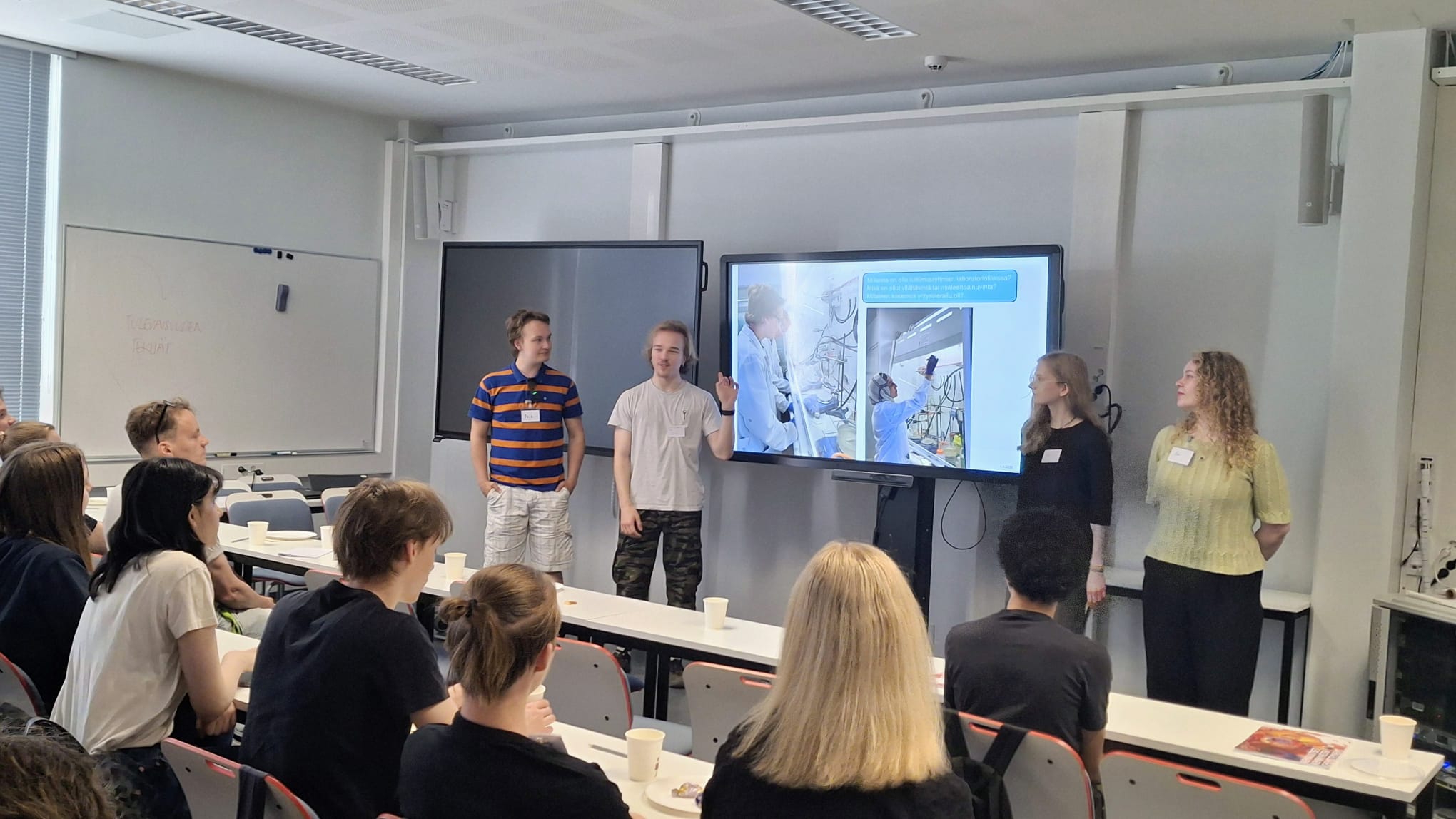
Valokuvassa neljä leiriläistä esittelemässä LUMA Stars -ohjelmaa.

At the beginning of June, the University of Helsinki’s Kumpula Campus hosted the first-ever LUMA Stars Camp, bringing together young people, teachers, researchers, and experts to engage with research and a sustainable future. The camp is part of the new LUMA Stars programme, which aims to strengthen young people’s scientific literacy and agency. A total of 25 participants aged 15–18 and four teachers took part in the summer camp.

A co-created, research-based operating model

The LUMA Stars programme is part of the research and development activities of LUMAlab Gadolin at the University of Helsinki. Its goal is to develop new, research-based operating models in which young people are not only participants, but also active co-creators of the programme’s content.

In the programme, young people act as science ambassadors who explore research and communicate it to other young people. The activities connect the research community, schools, and companies, while also making use of non-formal learning environments. A key component of the programme is the LUMA Stars Camp, organised for the first time in June 2026, which brings participants into the research environments of the Kumpula Campus. Other forms of activity include SCIENCE-TET placements in research groups and the national LUMA Stars online club.

Preliminary results from the pilot implemented during the 2025–2026 academic year suggest that a collaborative, research-based approach supports young people’s learning in diverse ways and increases their understanding of the importance of science and their own ability to influence the future.

The LUMA Stars programme is implemented in collaboration with research groups at the University of Helsinki, the LUMA Centre Finland network, schools, and companies. The programme is guided by a steering group consisting of researchers, teachers, and representatives of partner organisations. In addition, the young people involved in the 2025–2026 pilot actively participate in the planning and implementation. This collaboration enables participants to explore sustainability from the perspectives of science, education, and working life simultaneously.

Bringing research closer to young people

The three-day camp offered participants a unique opportunity to explore current research and its practices. The programme included interactive lectures on topics such as climate change, the circular economy, and sustainable solutions, as well as visits to research groups at the University of Helsinki.

A central part of the camp consisted of small-group visits to research groups. Participants explored topics such as the hydrogen economy, biomaterials, and programming, and examined research through guided tasks. During the visits, they reflected on questions such as which sustainability challenges the research addresses, how research progresses, and what kinds of career paths researchers have. The visits were based on active participation: young people observed research environments, documented what they learned, and compiled their insights for shared use.

The programme addressed key contemporary sustainability-related research topics, including carbon dioxide capture and utilisation, hydrogen economy and clean energy solutions, biomaterials and 3D printing in medicine, and programming. In addition to research group visits, these topics are also explored in content produced by the participants themselves, which is shared with other students, for example, through the online club during the academic year.

Experimental work and collaborative learning

The camp also included experimental laboratory work at LUMAlab Gadolin, located at the University of Helsinki’s Department of Chemistry. In addition, the programme involved joint discussions, reflection sessions, and an introduction to the Kumpula Campus and its study opportunities.

A strong sense of community was at the heart of the camp. Participants were encouraged to engage in active discussion and ask questions, and learning was deepened through sharing experiences and insights.

A key principle of the LUMA Stars programme is the active role of young people. They are not only participants, but also contribute to developing the programme content and produce materials that can be shared with other young people, for example, through the online club. The programme aims to strengthen young people’s scientific literacy, critical thinking, and understanding of research processes and the development of innovations. At the same time, participants gain experience of how science and technology can be used to address societal challenges.

Further information

Director, Professor Maija Aksela
maija.aksela@helsinki.fi
LUMAlab Gadolin

Coordinator Maikki Roiha
maikki.roiha@helsinki.fi
LUMAlab Gadolin

More information about the camp and the programme is available on the University of Helsinki’s science education website (in Finnish).

Read more about LUMA Stars from our news article LUMA Stars – Inspiring young people to shape a sustainable future.

Finland and LUMA Centre Finland at the Forefront of STEM Education Development in Europe

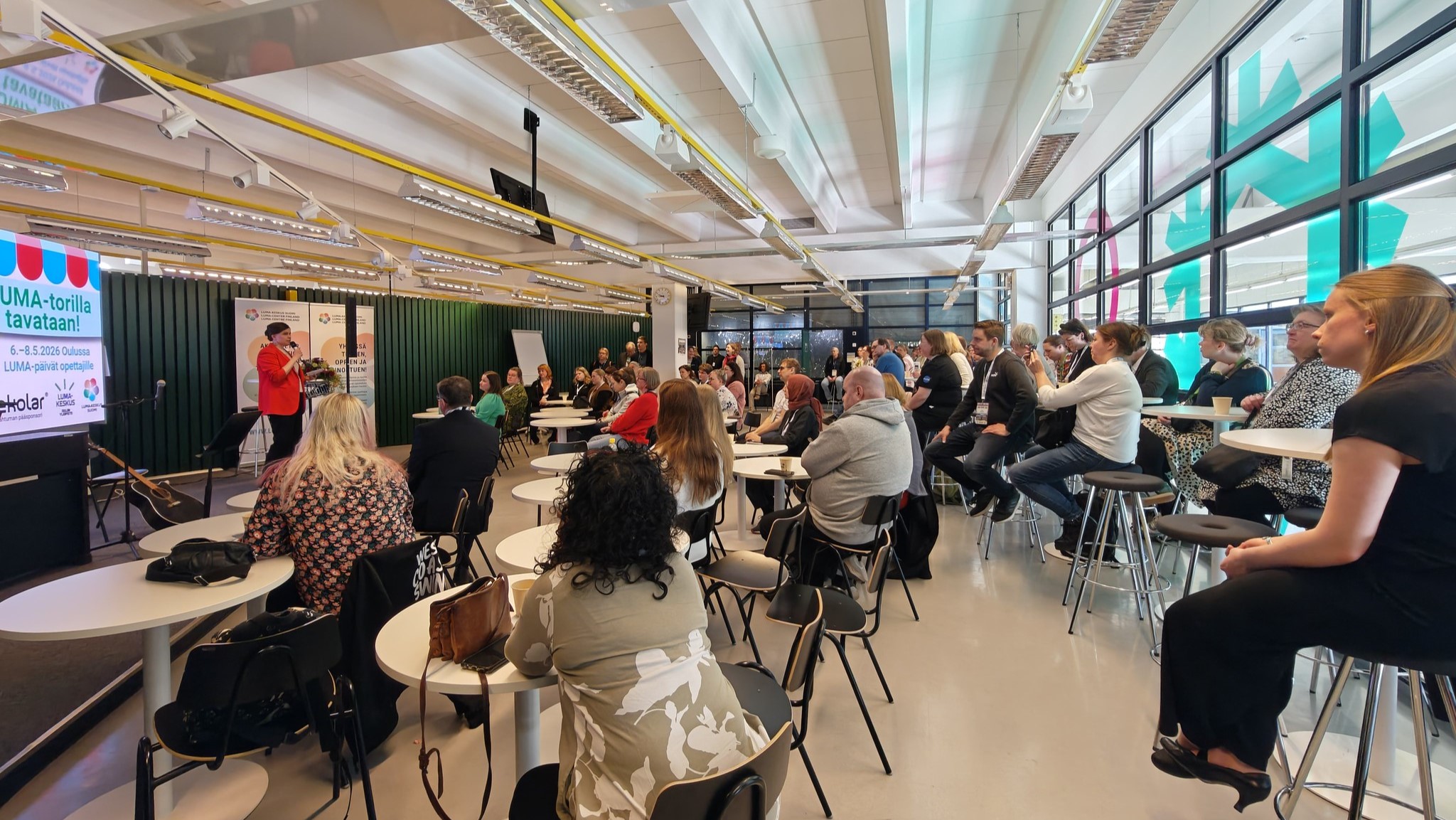
The National LUMA Days 2026 gathered Finnish educators from all levels to discuss about STEM education.

A recent European Commission report on STEM education in schools provides a comprehensive overview of the current state of STEM across Europe. While the report identifies a wide range of structural challenges, it also highlights countries that have already taken significant steps towards more integrated and future-oriented STEM education. Finland is among these leading countries, and the LUMA Centre Finland network is recognised as one of the most important examples of successful systemic innovation.

A shared European challenge – and a Finnish perspective

Across Europe, education systems are facing similar structural challenges in advancing STEM education. These include fragmented governance, shortages of qualified teachers, rigid curricula, unequal access to modern learning environments, limited use of non-formal learning opportunities, and insufficient evaluation frameworks to guide long-term development.

Although Finland performs well in international comparisons and has a long tradition of high-quality education, these challenges are not entirely absent. For example, teacher shortages are emerging in certain regions, and the implementation of interdisciplinary approaches still varies between schools. Furthermore, like in many other countries, there is an increasing need to strengthen the evaluation of STEM education initiatives and their long-term impact.

At the same time, the report highlights that countries with strong national STEM strategies and cross-sectoral coordination are better positioned to address these challenges. Finland is explicitly mentioned as one of the countries where STEM is strategically embedded across education, research, and innovation systems.

Finland’s strengths: a system aligned with future needs

Finland’s education system already reflects many of the key directions identified in the report. These include a strong emphasis on interdisciplinary learning, digital competence, and student-centred pedagogy. Approaches such as phenomenon-based learning encourage students to explore real-world challenges through multiple disciplines, fostering critical thinking, collaboration, and creativity.

Another key strength is Finland’s teacher education system, which is research-based and highly valued. Teachers are supported through continuous professional development and encouraged to develop innovative teaching methods. Programmes such as LUMATIKKA provide flexible, research-informed training opportunities that strengthen both subject knowledge and pedagogical expertise.

Finland also places strong emphasis on equity and inclusion, ensuring that STEM opportunities are accessible to all learners regardless of gender, background, or location. This aligns closely with European priorities to broaden participation in STEM and address skills shortages in the future.

The LUMA Centre Finland network as a model for collaboration

One of the most significant strengths of the Finnish approach is the LUMA Centre Finland network. The report highlights LUMA as a good practice example of how to build sustainable partnerships between schools, universities, research institutions, and industry.

The LUMA network operates through regional centres connected to universities across Finland, creating a nationwide ecosystem that supports STEM education at all levels. These centres provide teacher training, develop learning materials, organise student activities, and promote collaboration between different stakeholders.

Through its activities, LUMA reaches a large number of teachers and students each year. It supports inquiry-based and interdisciplinary learning, strengthens connections between research and education, and brings real-world relevance into classrooms. This kind of ecosystem approach is identified in the report as a key factor in successful STEM education systems.

Alignment with the Finnish STEM strategy

The findings of the European report strongly align with the goals of Finland’s national STEM strategy. In Finland, STEM is not seen as a separate policy area but as an integrated part of broader societal goals, including digitalisation, sustainability, and innovation.

The Finnish approach emphasises the following key elements:

  • The integration of STEM across education levels
  • Strong teacher competence and continuous professional development
  • Interdisciplinary and inquiry-based learning
  • Collaboration between schools, universities, and industry
  • Equity and inclusion in access to STEM education

The LUMA Centre Finland network plays a central role in implementing these priorities in practice. It acts as a bridge between policy, research, and schools, ensuring that strategic goals are translated into concrete actions.

Strategic implications for Finland

While Finland is in a strong position, the report also points to important areas for future development.

Firstly, there is a need to ensure that successful approaches, such as interdisciplinary learning, are implemented consistently across all schools. Scaling up good practices requires continued investment in teacher training, school leadership, and collaboration structures.

Secondly, strengthening evaluation and data use will be essential. More systematic monitoring of STEM education outcomes can support evidence-based decision-making and help to identify effective practices.

Thirdly, addressing teacher shortages, particularly in rural areas, remains a priority. This includes developing attractive career pathways, supporting early-career teachers, and ensuring access to continuous professional development.

Fourthly, greater emphasis should be placed on early childhood and primary education. Engaging children in STEM from an early age is critical for building long-term interest and competence.

Finally, Finland has an opportunity to further strengthen its role in European cooperation. By building on the strengths of networks such as LUMA, Finland can contribute to the development of shared approaches and support the scaling of successful models across Europe.

Looking ahead: from national success to European leadership

The European report underlines the need to move from fragmented, project-based initiatives to coherent, system-wide approaches in STEM education. Finland, together with the LUMA Centre Finland network, already demonstrates many of the elements required for this transition.

The next step is to deepen and scale this work. By strengthening collaboration, investing in teachers, and building robust evaluation systems, Finland can continue to lead the development of high-quality, inclusive STEM education.

At the same time, the Finnish experience offers valuable lessons for other countries. The LUMA model shows how long-term partnerships, strong teacher support, and a whole-system approach can create sustainable impact.

In this context, LUMA Centre Finland is not only a national success story but also an important contributor to the future of STEM education in Europe.


This blog is based on findings from the European Commission’s report Promoting STEM Education in Schools (2026), published by the Publications Office of the European Union.

Text: Prof. Jan Lundell, Director of LUMA Centre Finland

StarT – Inspiring Learning Together Worldwide

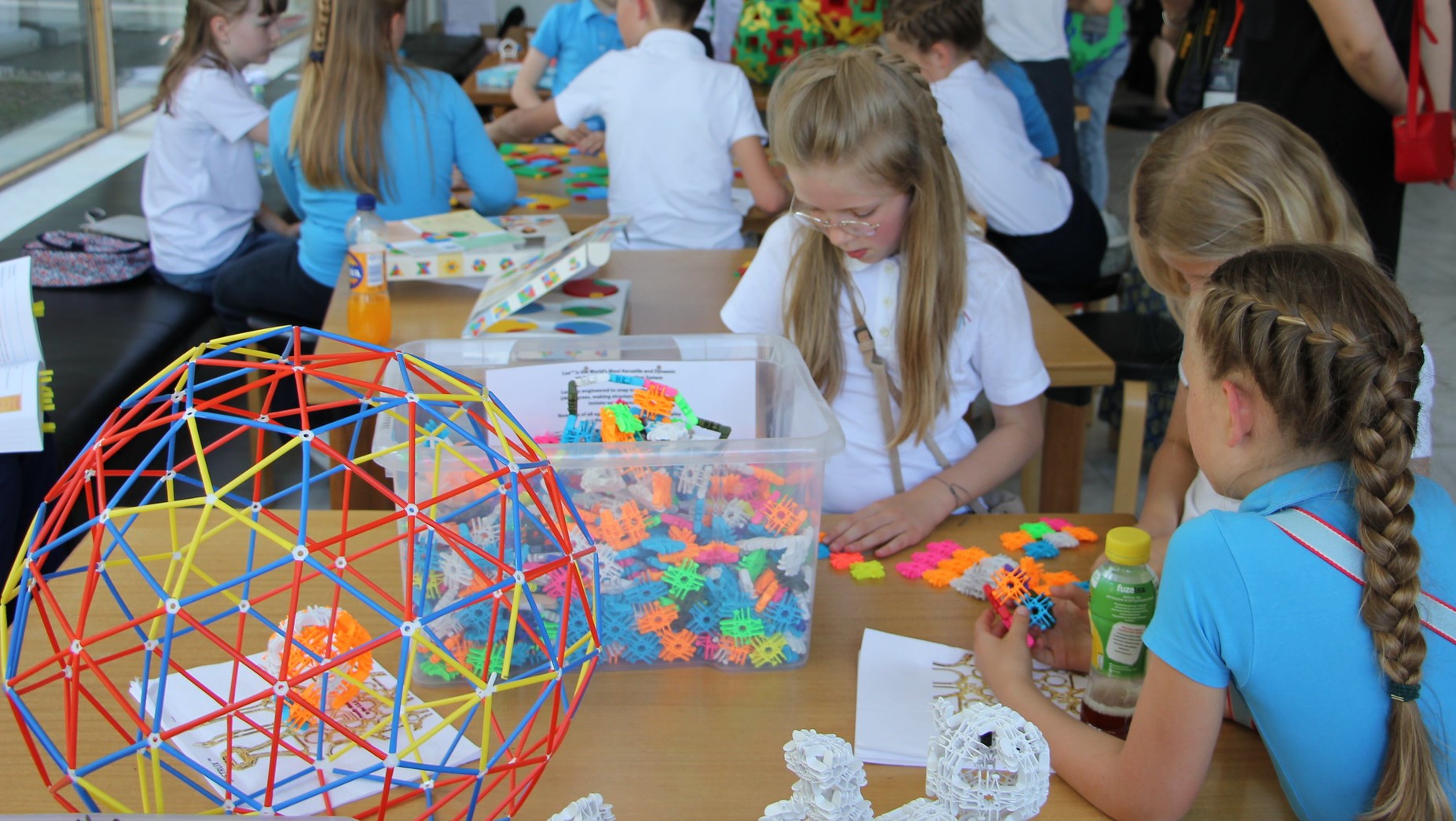
Lapset työskentelevät StarT-kerhossa. Kuva on vuodelta 2019.

Since 2016, StarT, created by LUMA Centre Finland, has grown into a global movement that transforms science, mathematics, technology, and sustainability education through creativity and collaboration. The name says it all: every child and young person can be a Star, and the T stands for teamwork. At its core, StarT is about learning together through projects and sharing ideas across borders to make education meaningful and exciting.

StarT ignites curiosity and creativity, empowering children, young people, and educators to imagine, design, and share projects that offer solutions to real-world challenges, guided by their own passions and questions. These projects often explore themes such as sustainability, climate solutions, and innovative technologies, encouraging learners to apply scientific thinking to issues that matter. Along the way, participants develop essential skills like problem-solving, communication, and collaboration.

From 2016 to 2022, the International StarT LUMA Competition brought together thousands of participants from more than 60 countries. Each year culminated in the International StarT Gala, a vibrant celebration of creativity and best practices, where young innovators and educators inspired one another. In addition, local LUMA Centres have organized regional StarT festivals with award ceremonies in Finland. Many of the projects and teaching practices are freely available in our open material bank.

Since 2023, StarT has expanded through the International StarT LUMA Science Clubs Programme, linking formal education with informal learning environments. These clubs, co-designed through research, offer children, teachers, and student teachers opportunities to engage in project-based STE(A)M learning beyond the classroom. StarT LUMA also inspires families: they are welcome to join the final club session and see their children’s projects. Read more from the LUMAT Journal.

An open online course on project-based learning supports teachers and educators with implementing clubs and projects that foster creativity, collaboration, and culturally sustainable practices. As highlighted in The Best Day I’ve Had in Ages – Learning Together in a Science Club, these experiences spark joy and curiosity, reminding us that science is a shared adventure.

Today, StarT is more than a programme; it is a community-driven platform for sustainable STE(A)M education, aligned with global goals and local needs. It invites everyone – students, teachers, and families – to become co-creators of knowledge and solutions. By fostering creativity and a sense of agency, StarT helps young people see themselves as active contributors to a better future.

StarT is a movement for learning together, shaping a world where science and collaboration lead the way towards sustainability. Whether through innovative school projects, inspiring teaching practices, or international networking, StarT continues to light the path for educators and learners worldwide.

Nowadays, the StarT LUMA Programme also serves as an international research and development initiative within the LUMAlab Gadolin. To date, several research papers have been published in this context, including:

    For more information:
    Director, Professor Maija Aksela, and Project Manager, Dr Outi Haatainen
    LUMAlab Gadolin Hub

    Together We Grow Stronger! The Joy of Learning at the International StarT LUMA Camp

    Kuvassa ihmisten sormia muodostamassa tähden

    International collaboration is a key part of Finland’s national LUMA strategy and actions. This week, teacher educators, researchers, teachers, and future teachers from three countries gathered at the Kumpula campus in Helsinki to participate in the International StarT LUMA Camp. The central theme was sustainability and nature-based solutions, with a special focus on teacher education and its research. The camp is part of the StarT LUMA programme, which has been organized annually since 2016.

    The goal of the International StarT LUMA Camp is to promote research-based and collaborative academic cooperation aligned with the aims of LUMA (STEM) education. Throughout the week, the programme featured interactive lectures, hands-on workshops, engaging discussions, and site visits. Participants joined from Indonesia, Thailand, and Finland. LUMAlab Gadolin organized the camp as part of the LUMA Centre Finland network.

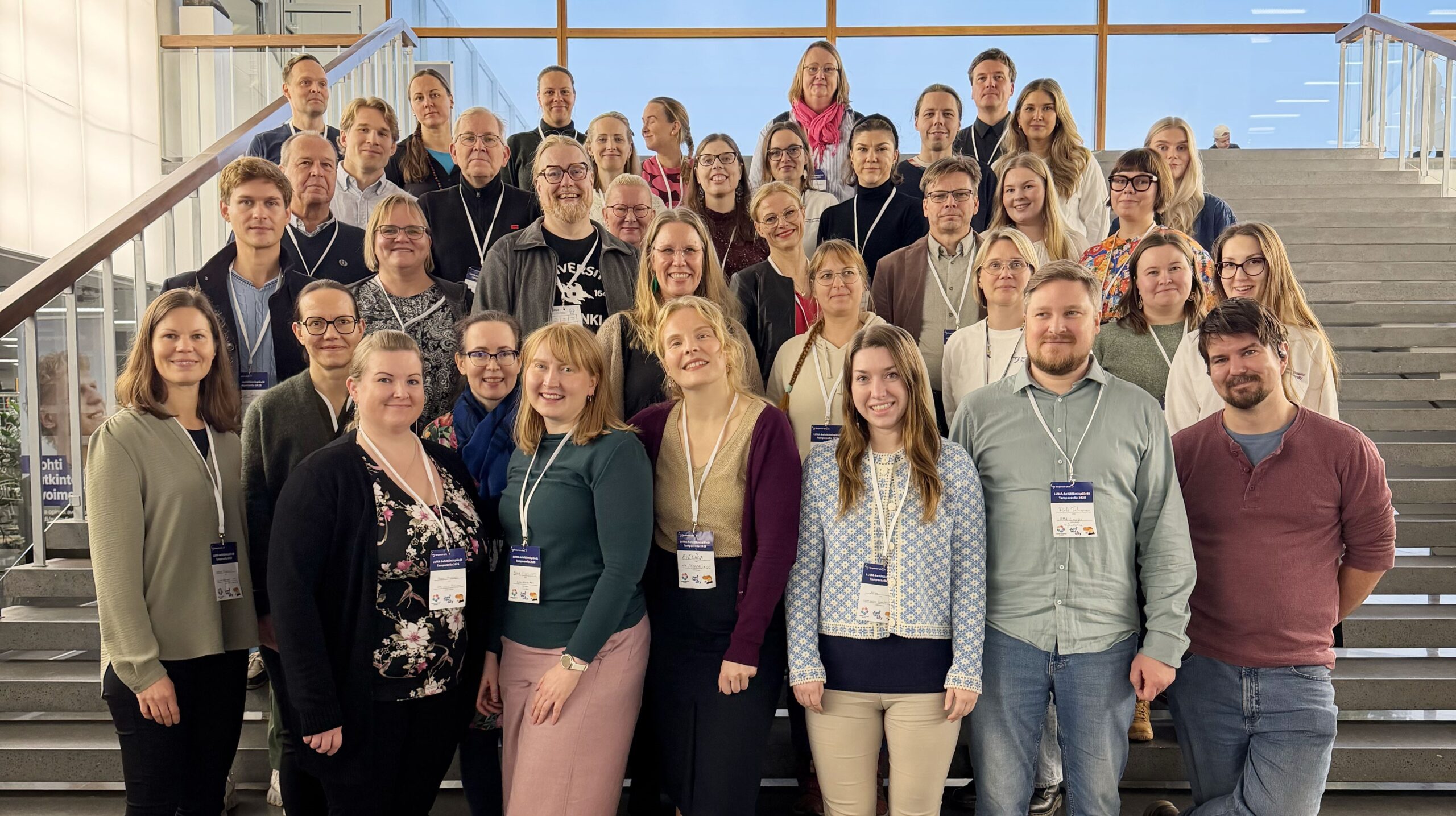
    Participants of the first StarT LUMA Camp 2025. The camp was led by Professor Maija Aksela, LUMA Science Ambassador, Reija Pesonen, coordinator from LUMAlab Gadolin, and Maikki Roiha, vice-coordinator from LUMAlab Gadolin. Lecturers included Specialist Topias Ikävalko and Dr. Johannes Pernaa, alongside scientists from the Department of Chemistry, such as Dr. Outi Haatainen, and students from the Unit of Chemistry Teacher Education.

    Fruitful Collaboration with Global Partners

    The academic StarT LUMA programme aims to highlight the role of science and innovation in STEM education and to identify relevant pedagogical solutions for students who will become the future makers of a sustainable world. Project-based learning has proven to be one of the most engaging approaches within the StarT LUMA programme.

    According to feedback, international collaboration is essential in the context of sustainability.

    Dean Cherdchai Phosri, Faculty of Science, Nakhon Phanom University, Thailand.

    Together, we will grow stronger and contribute significantly to sustainable development and environmental awareness in the academic arena. During our visit to Helsinki from September 27 to October 5, through the StarT LUMA Program, supported by Team Finland Knowledge in collaboration with SciNPU and LUMA, we took a vital step towards fostering collaboration and institutional growth. Our SciNPU team had the opportunity to gain insights from the LUMA showcase, and our students, in particular, learned from diverse environments beyond traditional Thai classrooms, thereby enriching their experience. They will return home with valuable knowledge, new experiences, and deeper cultural understanding. This initiative is essential and relevant for advancing our efforts to promote science education and nature-based solutions across the region,” says Dean Cherdchai Phosri, Faculty of Science, Nakhon Phanom University, Thailand.

    Dr. Antuni Wiyarsi, Professor of Chemistry Education, Universitas Negeri Yogyakarta, Indonesia.

    This was a meaningful and enjoyable experience for our Indonesian team, members of the Center of Excellence for Educational Resilience, Yogyakarta State University.
    We learned a great deal from the LUMA Centre and the Gadolin Laboratory about how teacher education is developed through relevance-oriented learning and research. Prospective teachers were well-prepared with various active and creative learning courses. We also learned that bridging the gap between higher education and schools requires strong, positive collaboration, supported by government policies and industry. This collaboration is evident in LUMA’s activities, including joint courses between universities and schools, as well as open laboratory visits for schools. This was a well-organized and productive activity. Thank you to all LUMA staff and colleagues—we hope to continue with many future collaborations.” Says Dr. Antuni Wiyarsi, Professor of Chemistry Education, Universitas Negeri Yogyakarta, Indonesia.

    Hands-On Science at LUMAlab Gadolin

    The practical organizer of the StarT LUMA programme was LUMAlab Gadolin, a collaborative hub for design-based research, education, and outreach in science education. Research topics developed through design-based research are disseminated across formal, non-formal, and informal educational contexts to reach diverse audiences. Sustainability, as well as modern science and technology, are its primary focus.

    Sustainability is a central theme in science and its learning. Collaboration is the key to success: We have all learned from one another, making the world a better place. Together, we are more!
    Thank you to all collaborators!” says Professor Maija Aksela, Director of the StarT LUMA programme and camp and LUMAlab Gadolin, LUMA Science Ambassador, University of Helsinki.

    Practical work at LUMAlab Gadolin guided by coordinator Reija Pesonen.

    Transforming Science Education in Finland: Achievements and Outcomes of the 2021–2024 National Task

    Kuvassa eri-ikäisten ihmisten sormet muodostavat tähtikuvion.

    The Ministry of Education and Culture, Finland, granted LUMA Centre Finland a second consecutive National Task for 2021–2024. During the four years, approximately 400,000 individuals participated in the activities, an increase of nearly 60% compared to the previous term (2017–2020). The final report shows that the initiative successfully supported teachers’ continuous professional learning, deepened inter-university collaboration, and expanded science activities for children, youth, and families across the country.

    The implementation of the National Task was planned collaboratively. The key objectives were to strengthen continuous learning for teachers, develop cooperation between universities and network forums, and expand extracurricular LUMA activities for children, youth, and families. Progress toward these goals was assessed annually through self-evaluations, peer discussions, and monitoring by the steering committee. The goals were revisited and the activities redirected as needed during the period of four years.

    During the National Task period, LUMA activities reached over 85% of all municipalities in Finland.

    To Every Corner and Cape

    The motto of the National Task period was “Joka kolkkaan ja niemeen” which translates into “To every corner and cape“. This means the goal of LUMA activities was to make science education accessible to every child, young person, and teacher in Finland, regardless of geographic location or social and economic background. This goal was pursued primarily through two approaches: by offering remote participation opportunities, and by organizing outreach tours to municipalities, schools, and early childhood education units located farther from universities, supported by additional targeted funding.

    During the period, thousands of children and young people were able to participate in LUMA activities even in regions that had previously been less involved due to long distances from university hubs

    New community-based and research-driven virtual models, such as online courses and clubs, science videos, and TikTok content, were particularly popular during this period. These helped significantly in realizing our core aim: “to every corner and cape.” Together we are more! — Professor Maija Aksela, Director during the National Task

    Accessible Science Education for Children and Youth

    Several important new initiatives were piloted in leisure-time science education during the National Task period. Children’s and youth extracurricular activities were enriched in collaboration with libraries, municipal youth services, the Scouts, and the Mannerheim League for Child Welfare. Examples include workshops held in libraries in Joensuu and Lahti, where children were guided through hands-on experiments. In Lahti, the LUMA Centre Päijänne Tavastia also integrated age-appropriate literature, such as themes from the Harry Potter series, into the science activities. During the COVID-19 pandemic, Lahti libraries also distributed small science kits to homes.

    Remote science clubs significantly expanded the geographical and socioeconomic reach of activities across Finland. Aalto University Junior organized multilingual workshops in collaboration with interpreter students from Diaconia University of Applied Sciences and also conducted remote workshops for Ukraine in spring 2023. Additionally, the StarT program developed and piloted new types of science clubs in spring 2024 through international collaboration. These clubs served as learning environments not only for primary school students but also for families, teachers, and teacher trainees.

    Our activities in numbers during 2021–2024

    100,000 people participated in our activities each year. In comparison, we reached around 61,300 people per year during the 2017–2020 period of the national task.

    We provided in-service teacher training to an average of 4,600 education and training professionals per year. 

    We produced an average of 130 research publications per year (50 per year in 2017–2020). 

    LUMA labs were visited by an average of 34,000 students and teachers per year (20,000 per year in 2017–2020).

    We organised educational events and workshops with an average of 34,000 students or teachers annually.

    Our after-school activities, such as summer camps and science clubs, reach 3,400 children and young people each year.

    Key Objectives of the Period

    Supporting teachers’ continuous professional development was one of the primary goals of the National Task, and several new operating models were developed to achieve it. Around 140 teachers and instructors participated in the LUMA Developers program, collaboratively creating new teaching models and materials. Activities such as LUMA Weeks, in-service training sessions, and online courses broadened teachers’ expertise, while study visits and outreach by LUMA Centres to schools strengthened science education in practice.

    Inter-university collaboration was actively developed. LUMA Centre Finland contributed to the formulation and monitoring of the Finnish National STEM strategy and Action Plan. Internal and external communication about LUMA activities within universities improved, and partnerships with international science education networks, such as Science on Stage, IDoS, and EU STEM Coalition, were strengthened.

    Communication evolved significantly over the four years, both strategically and practically. The reach and impact of social media increased, particularly on Facebook and Instagram, while the number of LUMA newsletter subscribers and its open rate grew substantially. Communication content was also diversified through blog series and online publications. The 2024 Science on Stage festival brought major international visibility to Finnish LUMA activities, bringing together 750 education professionals from over 35 countries.

    The National Task period significantly advanced LUMA activities: continuing education for teachers was implemented with high quality, university collaboration was strengthened and consolidated, and informal science education became more diverse.

    Read the full report on the 2021–2024 National Task here

    LUMA Stars Program Launching: Youth – the Stars of the Future – in the Spotlight

    Four students from Helsinki Upper Secondary School of Natural Sciences are the first scholarship recipients in the new interdisciplinary LUMA Stars program, which will pilot in summer 2025. The theme is a sustainable future.

    LUMA Stars is a new interdisciplinary program by the University of Helsinki, part of the National STEM Strategy and the LUMA Centre Finland network. It places young people at the heart of science, mathematics, and technology – not just as learners, but as future makers. Their voices, hopes, and questions shape the content and development of the program.

    The pilot will run in summer 2025 at the University of Helsinki, with plans to expand nationally – and hopefully internationally – in the future. The program aims to support young people’s science, math, and technology learning and their future well-being in line with Finland’s national STEM strategy.

    Scholarship recipients Morteza Ahmadi, Peik Pirhonen, Einar Lindholm, and Dominick Salminen from Helsinki Upper Secondary School of Natural Sciences, located on the University of Helsinki’s Kumpula campus. The school has long collaborated with LUMAlab Gadolin in science education development and research. The students received the scholarship for their strong skills and interest in chemistry.

    The program is led by Professor Maija Aksela, LUMA Science Ambassador and the “mother” of the idea, and coordinated by Maikki Roiha from LUMAlab Gadolin. A steering group of researchers, teachers, and students supports the program. From the University of Helsinki’s Department of Chemistry, Markus Metsälä, Vice Head of Education, is also involved.

    It’s wonderful that our students passionate about chemistry get to explore university-level research while still in high school. They’ll gain valuable experiences and clarity for their future studies. Thank you for this opportunity – hopefully, there’s more to come! – Chemistry teacher Anssi Nivala, Helsinki Upper Secondary School of Natural Sciences.

    SCIENCE-TET – More Than Just a Work Experience

    At the heart of the summer 2025 pilot is the SCIENCE-TET scholarship, which gives high school students the chance to spend a week at the University of Helsinki’s Department of Chemistry. The scholarship recipients will:

    • Work alongside researchers
    • Join Professor Timo Repo’s renowned research group focused on sustainable solutions
    • Participate in activities at LUMAlab Gadolin
    • Possibly visit partner companies

    Theme: A Sustainable Future

    The pilot program will be shaped around the students’ interests. The goal is to build a program that not only teaches but also inspires and empowers young people to make a difference. The theme is a sustainable future – a topic that connects science, technology, and societal impact.

    LUMA Stars is not a top-down initiative – it’s a shared journey. The scholarship recipients will be involved in designing the program from the very beginning. The first meetings will take place in early June, and the program will start either before Midsummer or in early August, depending on the students’ schedules and preferences. LUMA Stars is more than a program – it’s a place where young people have a voice, a role, and meaning in the world of science.

    Text and more information from Professor Maija Aksela.

    Highlights from the 15th LUMAT Research Symposium: Promoting STE(A)M learning through non-formal education

    LUMAT Research Symposium celebrates its 15th anniversary on May 23rd, 2025. This year, the symposium highlights research-based approaches and initiatives from seven countries, many of which draw on regional and cultural resources. The current theme is Promoting STE(A)M learning through non-formal education. The Symposium is held online and free of charge.

    Collaborative research-based actions have been at the heart of Finnish LUMA (STEM) work. LUMAT Research Symposium, organized by LUMAT Science Research Forum, has been an important forum for sharing the best studies and solutions around the world and learning from one another. Together we are more!“, emphasizes Professor Maija Aksela, chair of LUMAT Symposium and founder of LUMAT Science Research Forum and the symposium.

    The following eight invited talks are pointing out different models and practices to promote STE(A)M through different non-formal learning environments:

    Som Gurung and his team showcase how traditional Bhutanese crafts, such as musical instrument making and textile weaving, can be enriched through STEM integration. For example, by combining Arduino programming with cultural practices, students gain hands-on experience that deepens their understanding of sounds, rhythms, and codes.

    Umesh Ramnarair and his team use virtual reality to bring science education closer to students’ everyday lives in South Africa. Ramnarair’s presentation demonstrates how culturally anchored VR simulations can make inquiry-based learning more engaging and relevant for learners in disadvantaged schools.

    Cherdhai Phosri and his team present a case study on building a regional STEM education ecosystem in the Lower Mekong Basin. Phosri’s work highlights how local collaboration and institutional development can strengthen science education across the region.

    Safwatun Nida shares findings from a case study on sustainability education for student teachers in Indonesia. Through a course combining lectures, non-formal field trips, and project work, participants designed pedagogical models and teaching resources inspired by real-world environmental sites such as sea turtle conservation and a tea farm.

    Eman Zaitoun and her team investigate how STEM project-based learning influences teaching practices. By analysing competition entry projects, Zaitoun explores the feasibility of an integrative approach that can enhance the design of educational projects.

    Nalini Dookie and Angela James introduce the ESKOM EXPO for Young Scientists, an exposition platform for non-formal STEM learning. Dookie’s presentation highlights how expos foster inquiry, authentic science experiences, real-world problem-solving, and future-ready skills.

    Jorge Rodríguez-Becerra and his team present a case study on integrating high-performance computing into chemistry teacher education. His module on computer-aided drug design for COVID-19 combines problem-based learning with molecular modeling, showing how authentic data and digital tools can foster interdisciplinary thinking and pedagogical innovation.

    Maija Aksela and Outi Haatainen explore science clubs as dynamic non-formal STEAM learning environments. Their presentation shares insights from a design-based research project within the international StarT LUMA programme, highlighting co-designed models, activities, and collaborative learning processes.

    This symposium is also a farewell symposium for Prof. Aksela, who has organized it as the first director of LUMA Centre Finland with her team for years. She continues her LUMA(T) work as LUMA Science Ambassador in the future (read more here).

    Please, see a program and register for the symposium on the LUMAT Research Symposium website.

    Abstracts and virtual posters can be found here on Friday, the 23rd of May.

    Organizing committee: Professor Maija Aksela; Chair, program & invited speeches, Director of LUMAT Science Research Forum, Dr Johannes Pernaa; Editor-in-Chief of the LUMAT journal, LUMAT-B publication of the symposium, Assistant Maikki Roiha; registration and online symposium, contact person and Specialist Oona Kiviluoto; webpage, marketing & communications.

    CLIMADEMY Final Conference and Teachers’ Climate Change Forum conclude with vision for the future

    The CLIMADEMY Final Conference, organized in collaboration with the Teachers’ Climate Change Forum, took place at the Hyytiälä Forest Station in Finland from April 1 to April 3, 2025. This event gathered participants from several countries and marked the conclusion of the CLIMAte change teachers’ acaDEMY (CLIMADEMY) project, a European Union-funded initiative under the ERASMUS 2027 – Teachers’ Academy program. 

    During the conference, pilot teachers who were central to the project shared effective climate change education practices that had been co-developed over the three-year program. These practices were designed for local contexts and supported by a pedagogical model and competence framework, both of which were outcomes of CLIMADEMY’s collaborative efforts and were also presented during the conference. 

    The hybrid event had the participation of distinguished keynote speakers, including former President of Finland Tarja Halonen, who spoke about the fundamental role of education during times of multiple crises. Another highlight was a presentation by Guia Bianchi, co-author of GreenComp, the European Sustainability Competence Framework. 

    As part of the program, participants had the opportunity to visit the Orivesi’s Upper Secondary School, led by CLIMADEMY pilot teacher Aulikki Laine. This visit illustrated the Finnish educational context and promoted discussions on the diverse challenges and opportunities faced by teachers in their specific schools and communities. Additionally, immersive experiences such as art workshops, forest walks, sauna visits, and ice swimming promoted cultural exchanges. 

    The Teachers’ Climate Change Forum, now in its eighth year, is organized by the University of Helsinki Science Education (part of LUMA Centre Finland) and the Institute for Atmospheric and Earth System Research (INAR). The forum is led by Professor Maija Aksela (LUMA Centre Finland), with Senior University Lecturer Taina Ruuskanen (INAR) serving as the deputy director. This year’s event also opened new opportunities as international partner institutions expressed interest in hosting future editions of the forum, potentially expanding the network and strengthening a global community of climate-competent educators. 

    As the CLIMADEMY project wraps up, the momentum it has generated continues to grow, promising a legacy in climate change education across Europe and beyond. 

    Learn more about CLIMADEMY and access the learning materials on CLAUDI platform.

    Read more about the Teachers’ Climate Change Forum here.

    Written by Juliana Friedrichsen. The article was first published 11.4.2025 on the University of Helsinki webpage.